Guide LessBranding
Ceramic Vases: The Honest UK Buying and Styling Guide
A single well chosen ceramic vase does more for a room than a shelf of ornaments. It adds texture, holds colour when there are flowers in the house and holds its own when there are not. The trick is choosing one that earns its spot, and interiors shops know it, which is why a simple stoneware vase so often carries a price that has nothing to do with the clay.
Here is how to choose well, whatever you spend.
Start with where it will live
A vase bought without a location becomes clutter. Decide the spot first, because the spot decides the size.
- Dining table or coffee table: keep it low. Anything over about 25cm fights with sight lines and gets moved within a week.
- Shelf or windowsill: small bud vases, roughly 8 to 15cm, work best and can sit in loose groups of two or three.
- Console table, hallway or floor: this is where taller statement pieces belong, but a hallway vase gets knocked, so favour a wide, stable base.
Match the shape to what goes in it
- Narrow neck vases suit one to three stems. They do the arranging for you, which makes them the easiest to live with and the cheapest to keep filled.
- Wide mouth vases need a full bunch to look right. Lovely when the supermarket flowers come home, empty looking otherwise.
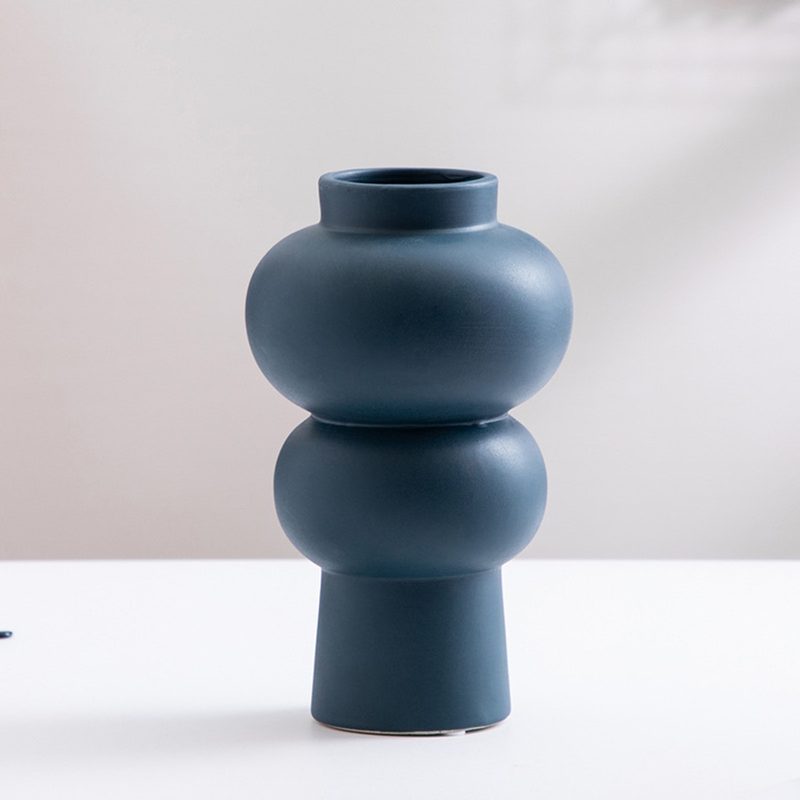
- Sculptural and matte pieces are made to stand alone. If you rarely buy flowers, buy a vase that does not need them.
Finishes, and what reads as premium
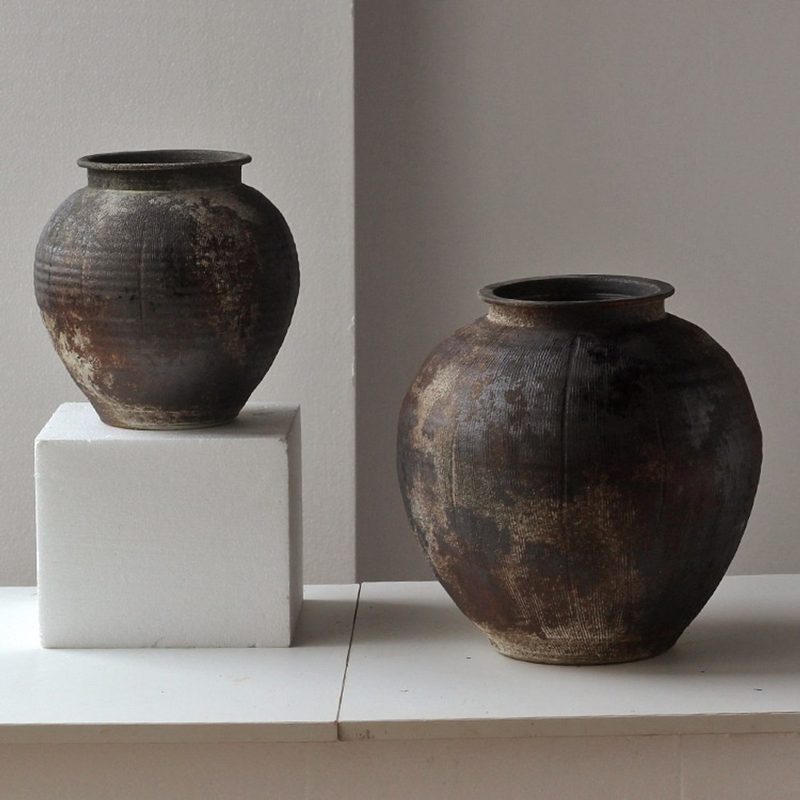
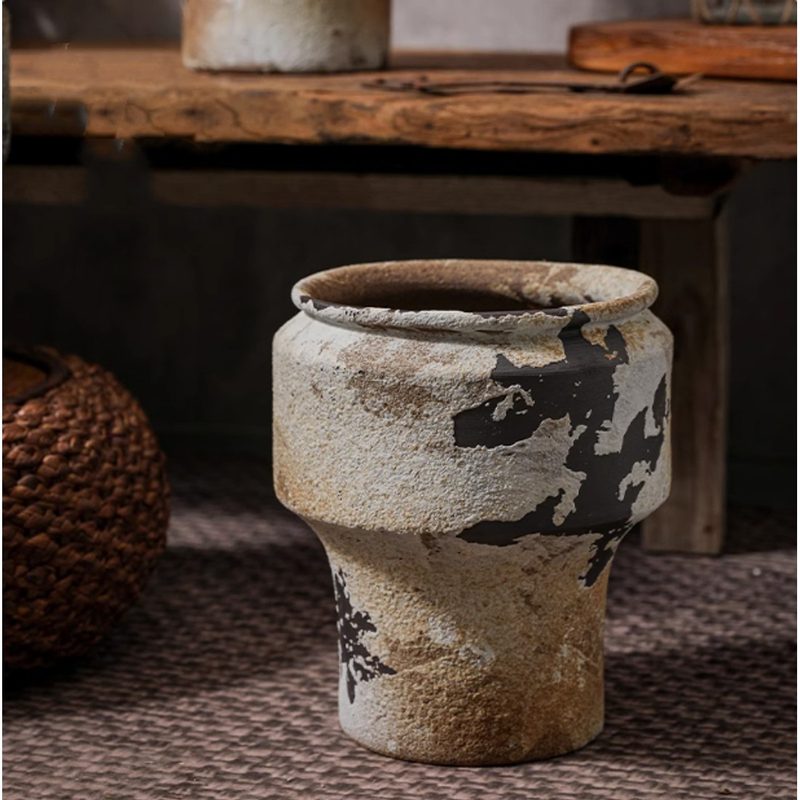
The same rule that runs through everything we stock applies here: material and finish beat branding. Matte and satin glazes, visible hand finishing, speckled stoneware and reactive glazes where no two pieces are identical all read as considered. High gloss brilliant white can look clinical, and printed patterns date fastest. Neutral tones, earth colours and one accent shade sit happily in almost any UK room.
Ceramic and stoneware also simply feel right: cool, weighty and stable in a way lightweight materials cannot fake.
Practical checks before you buy
- Water tightness. Unglazed and crude pottery finishes can weep; if the inside is glazed you are fine to use water. If you are unsure, keep it to dried stems or use a liner.
- Stability. A tall vase with a narrow base belongs somewhere nothing brushes past it.
- Weight. A decent ceramic piece should feel heavier than it looks. That heft is what keeps it upright with ten stems leaning to one side.
Styling that works without effort
- One stem in a bud vase beats a struggling half bunch. Eucalyptus, a single rose or even a cutting from the garden all work.
- Dried grasses and stems are honest low effort styling: no water, no wilting, swap them seasonally.
- Group in odd numbers. Two vases look like a pair that lost something; three of varied heights look deliberate.
- Leave space around it. A vase crammed between photo frames disappears. Give it 20cm of clear surface and it becomes the point of the shelf.
Care
Wipe with a soft damp cloth. For water marks inside, warm water and a spoon of bicarbonate of soda left overnight lifts most staining. Avoid abrasive pads on matte glazes, which can polish shiny patches into the finish.
A good ceramic vase is one of the few decorative pieces that genuinely earns its keep year round. Choose the spot, choose the shape for how you actually use flowers, and pay for the clay and the glaze rather than a label.
Google Preferred source
Want our buying guides to show up more often for you in Google? Add LessBranding as a preferred source.
Shop Home & Desk