Guide LessBranding
Crossbody, Tote or Shoulder: Choosing an Everyday Bag
The best everyday bag is the one that suits how you actually move through the day, not the one with the biggest name on it. Before comparing colours and prices, it helps to decide which of the three everyday shapes fits your routine, because each solves a different problem. Then a few honest checks on materials and hardware separate a bag that lasts from one that sags and frays within a season.
The three everyday shapes
- Crossbody. Worn across the body on a long strap, it keeps both your hands empty and your bag secure, which makes it the sensible choice for commuting, travel, busy days and anyone who hates holding a bag. It carries less, so it suits a phone, a purse, keys and the essentials rather than a day's worth of kit.
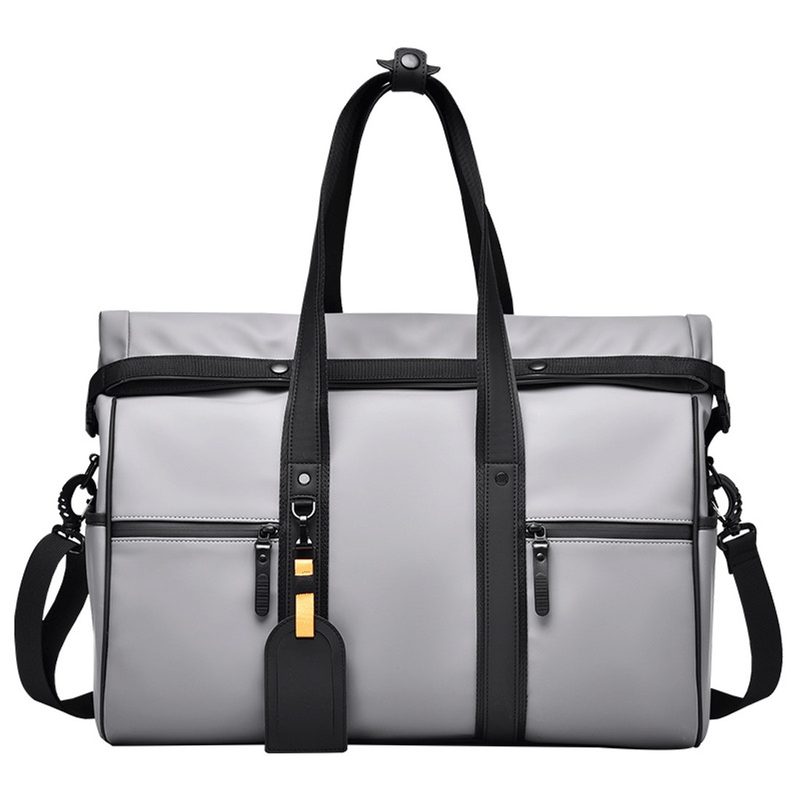
- Tote. An open, roomy bag carried on the shoulder or in the hand, it is the workhorse for people who carry more: a laptop, a water bottle, a lunch, a change of shoes. The trade off is that it is less secure and heavier on one shoulder when full.
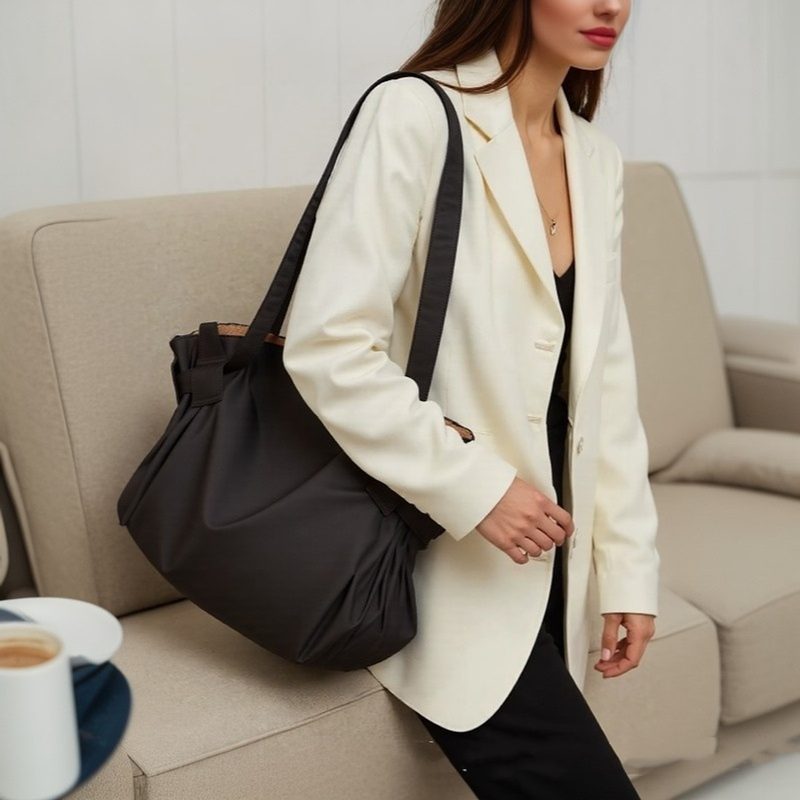
- Shoulder or hobo. A soft, slouchy bag that sits on the shoulder, it is the relaxed middle ground: more room than a crossbody, more comfortable and casual than a structured tote. It suits everyday wear where you want a bit of space without the size of a tote.
Match the bag to your day
If your day is hands-busy, you travel, or security matters, a crossbody wins. If you carry a laptop and life admin, a tote earns its place. If you want easy, comfortable everyday carry without much bulk, a shoulder or hobo bag is the sweet spot. Many people end up with two: a crossbody for light days and a tote for full ones.
The material and hardware checks that matter
This is where quality shows, whatever the price.
- Material named plainly. Full-grain or genuine leather ages well; a quality coated canvas or a named synthetic can be a sensible, hard-wearing choice as long as it is described honestly rather than dressed up.
- Stitching. Even, tight stitching with no loose threads, especially where the strap meets the body, which is where bags fail first.
- Hardware. Zips that run smoothly, and clasps and rings in solid metal rather than thin, light plated pieces that wear through.
- Strap and lining. A comfortable, well-attached strap and a proper lining rather than raw, unfinished seams.
Size it to what you carry
Be honest about what goes in the bag every day and buy for that, plus a little room. An everyday bag that is too small gets abandoned, and one that is too big invites you to carry weight you do not need. If a laptop lives in it, check the internal dimensions against your device before buying.
The LessBranding approach
We choose bags for honest materials, solid hardware and stitching that lasts, described as exactly what they are. You pay for the bag, not for a logo on the front.
Browse the bags collection to find your everyday shape.
Google Preferred source
Want our buying guides to show up more often for you in Google? Add LessBranding as a preferred source.
Shop Bags